I WISH SPECIAL OFFER [BOOK NOW]

⚠️ Medical Content Notice
This page contains medical images and descriptions of human anatomy, including female genitalia (vagina). The material is presented strictly for healthcare and educational purposes. Viewer discretion is advised.
- Intended audience: medical professionals, students, and individuals seeking health education.
- Purpose: to provide accurate information about female reproductive anatomy and related health topics.
- Sensitive content: anatomical images may be considered sensitive; parental guidance is recommended for younger audiences.
- Non-sexual context: all content is presented in a clinical and educational framework.
Labiaplasty (Labia Minora Reduction) & Feminine Rejuvenation
Refining, Rejuvenating, and Restoring Confidence
01
Labiaplasty
Trim · Hybrid · Level 3
02
Clitoral Surgery
Clitoroplasty · Clitoropexy · Hood Reduction
03
Vaginal Surgery
Vaginoplasty · Perineoplasty · Mons Reduction
Labiaplasty is a highly specialized cosmetic procedure designed to enhance the appearance and comfort of the external vaginal area. Whether due to genetics, childbirth, aging, or personal aesthetic goals, many women experience changes in this region that can affect their confidence or cause physical discomfort.
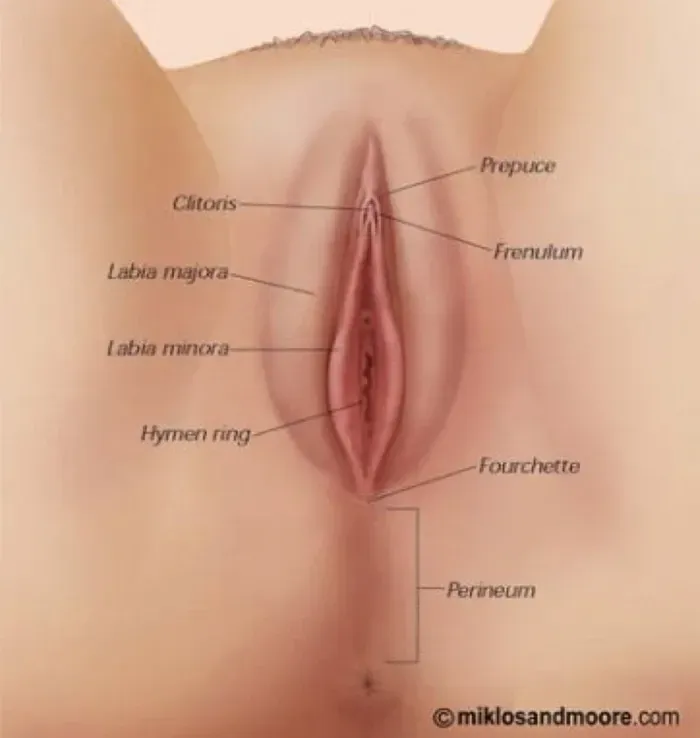
This procedure can address concerns with the labia minora, labia majora, clitoral hood, mons pubis, and surrounding areas—resulting in a more balanced, youthful, and refined appearance. For some patients, labiaplasty also helps relieve irritation, chafing, or discomfort during daily activities or intimacy.
BEFORE
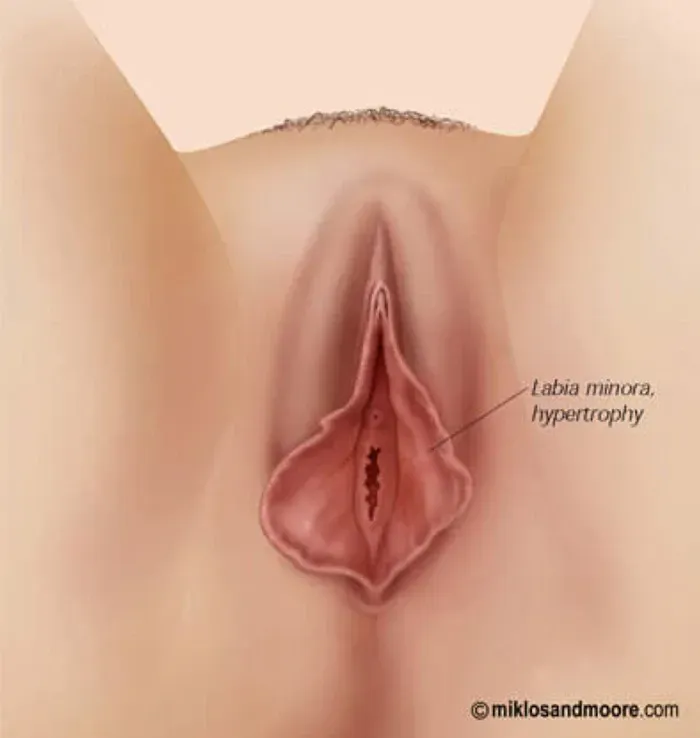
AFTER
More Than a “Simple Trim”
A Delicate Art Requiring Exceptional Skill
Labiaplasty is often misunderstood as a basic or routine procedure—but it is, in fact, one of the most intricate and detail-oriented surgeries in aesthetic medicine. Precision, anatomical knowledge, and a finely trained artistic eye are essential for achieving natural, elegant, and symmetrical results.
This is not a procedure to entrust to an inexperienced surgeon. Many general plastic surgeons have limited or no experience with advanced cosmetic vaginal surgery, which can lead to disappointing or even permanent outcomes.
Why Experience Matters
The Difference You See With Dr. Bahnmiller
Dr. Bahnmiller is highly specialized in cosmetic vaginal procedures and is known for his meticulous technique, artistic approach, and dedication to achieving the most natural, beautiful results possible.
Most labiaplasties performed by Dr. Bahnmiller involves more than just labia minora reduction. He often combines procedures to ensure aesthetic harmony and optimal function across the vulvar area. These may include:
Clitoral Hood Contouring
Lateral Prepuce Reduction
Labia Majora Reduction or Augmentation
Mons Pubis Reshaping
Revision of Previous or Botched Surgeries
Perineal and Pelvic Floor support
For example, many women with enlarged labia minora also have excess skin in the lateral prepuce area—if this is not addressed, the clitoral hood may appear prominent or asymmetrical after surgery. This level of comprehensive planning is often overlooked by less experienced surgeons and can make a significant difference in the final result.
A Tailored, Empowering Experience
Every woman is unique, and so is every procedure. Dr. Bahnmiller takes the time to listen, understand your goals, and develop a customized surgical plan that reflects your anatomy, lifestyle, and aesthetic vision.
Whether you’re looking to restore your body after childbirth, reduce discomfort, or simply feel more confident in your appearance, labiaplasty can be a truly empowering decision.
Common Procedures Offered
Dr. Bahnmiller offers a full range of cosmetic vaginal surgeries, including:
Labiaplasty (Labia Minora & Majora)
Clitoral Hood Reduction
Lateral Prepuce Reduction
Labia Majora Augmentation
Mons Pubis Reduction
Clitoropexy
Revision of Botched Labiaplasty
Perineal Rejuvenation

Dr. Daniel Bahnmiller, DO,ACOOG, IF
Board Certified Obstetrics and Gynecology
Specialty Trained
Fellow of International Society Study of Women’s Sexual Health
International Society of Cosmetic Gynecologic Surgeons
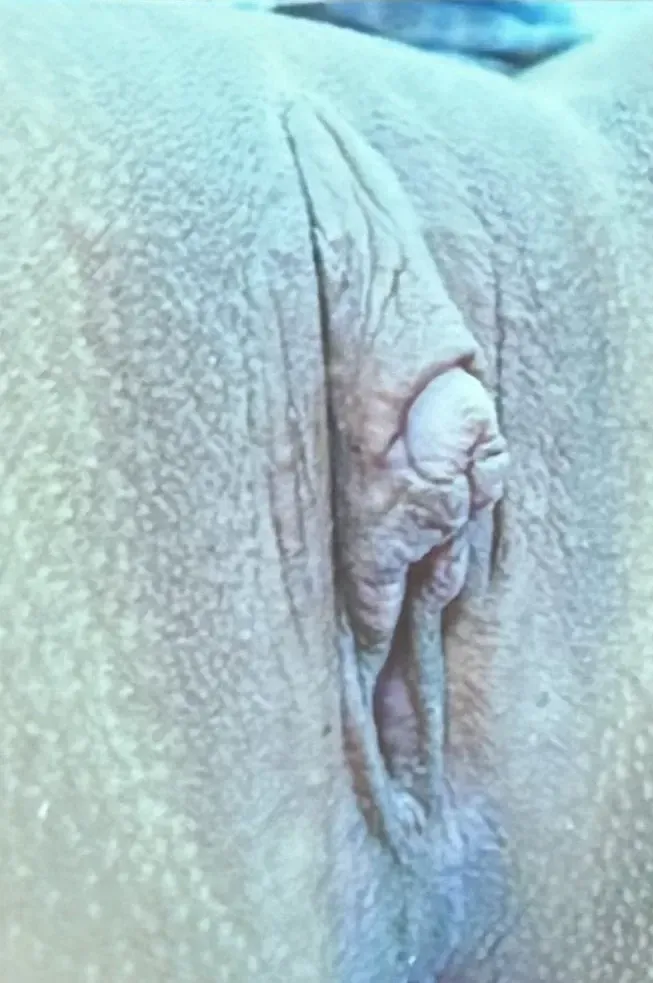
Labiaplasty with clitoral hood reduction Before and After
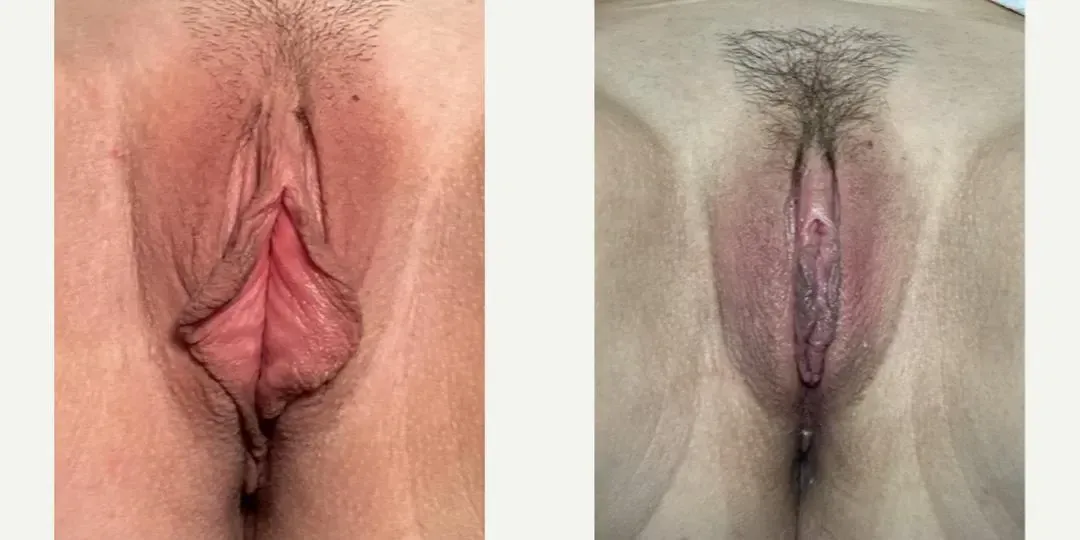
Labiaplasty with clitoral hood reduction before and after
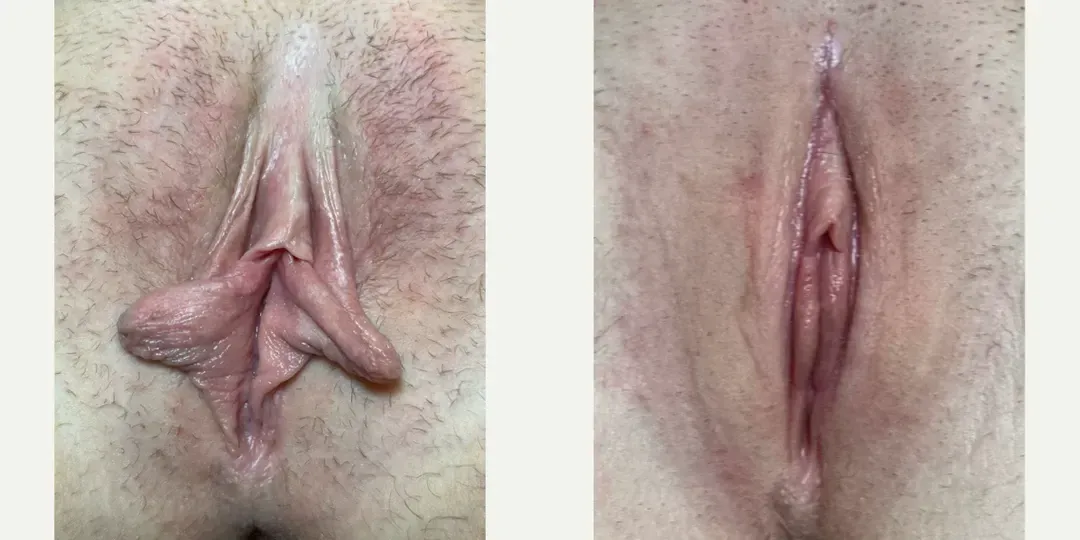
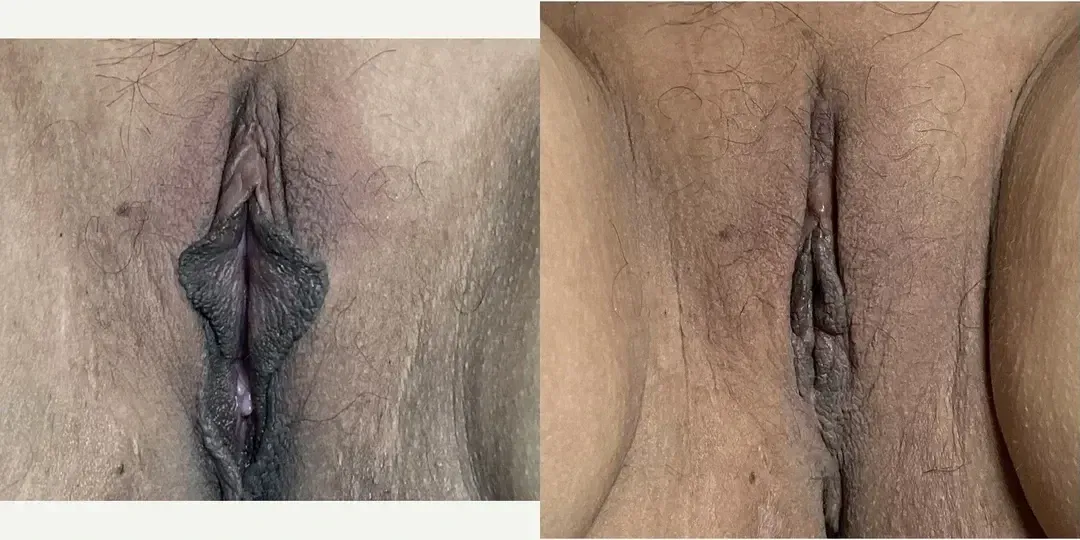
Labiaplasty without clitoral hood before and after
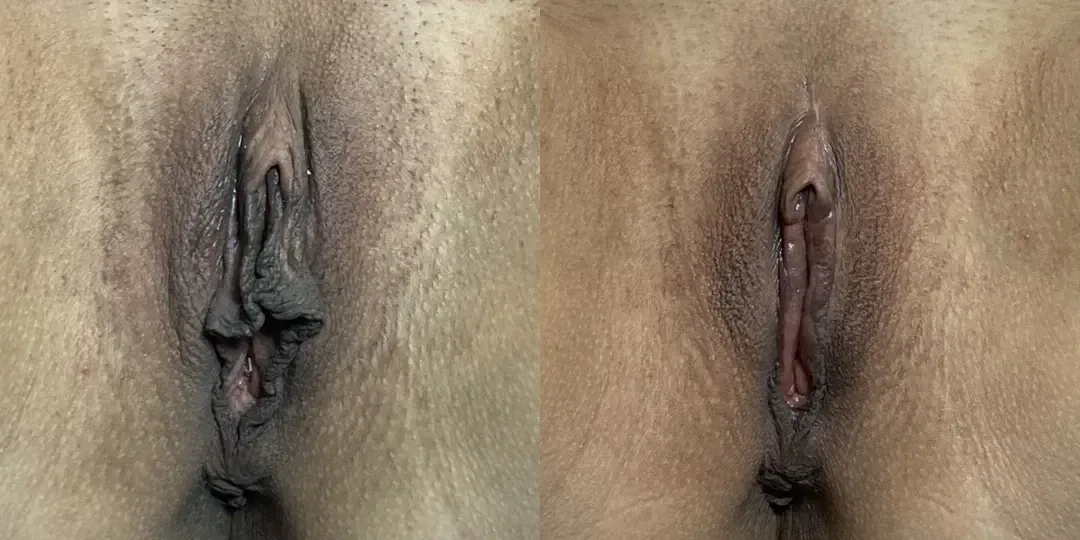
These are from a patient who had a vaginoplasty and labiaplasty before and after
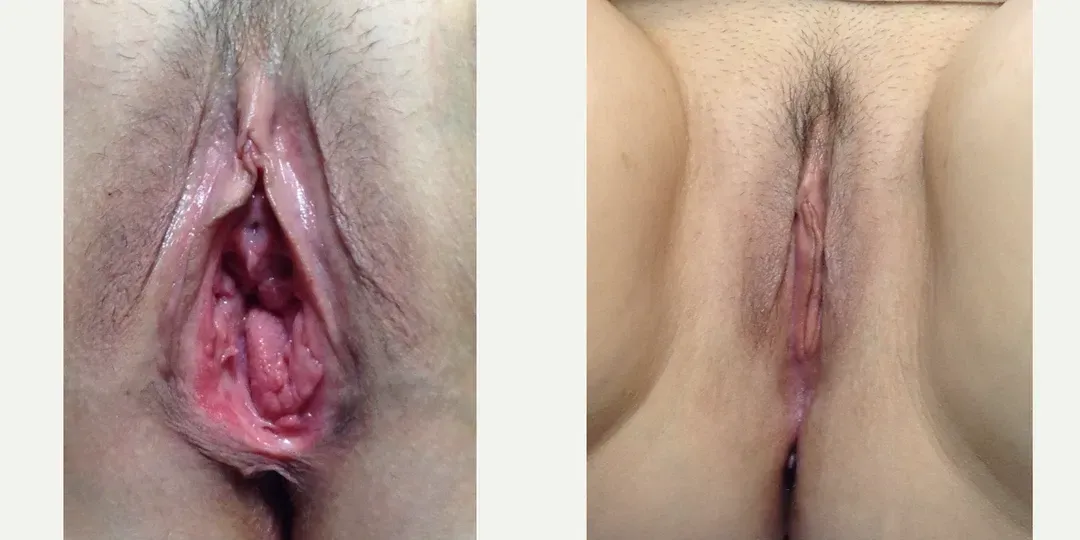
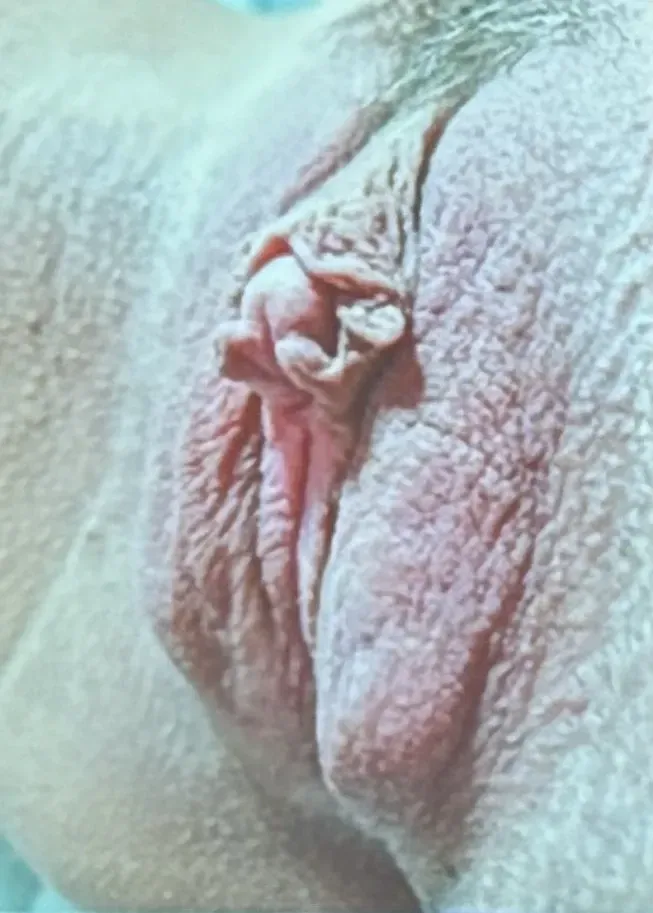
These last two images seen below are from patients not done at our office that had a labiaplasty done where they did not address the clitoris or the clitoral hood. As you can see the clitoris and hood become very prominent after removing only the labia.
Why Choose
Columbia Shores Regenerative Health?
Board-certified gynecologist
Women's intimate health specialist. Fellow of the International Society for the Study of Women’s Sexual Health
Cosmetic gynecology expertise. Diplomate of International Society Cosmetic Gynecology
Advanced surgical techniques. Specialty trained.
Natural-looking results.
Personalized care. Options to meet your wants.
Comprehensive recovery program. Patient’s state very little discomfort during healing due to our specialized treatment protocol.
Over 20 years of gynecologic surgery experience.
Frequently Asked Questions
1. What is labiaplasty?
Labiaplasty is a surgical procedure that reshapes or reduces the labia minora (inner lips) to relieve discomfort and improve appearance. It's one of the most commonly requested procedures in cosmetic gynecology.
2. How do I know if I need labiaplasty?
If enlarged or asymmetric labia cause pain, pulling, or irritation in clothing, during exercise, or during intercourse — or if their appearance affects your confidence — labiaplasty may be worth discussing at a consultation. It's a personal decision, not a medical requirement.
3. What's the difference between the wedge and trim labiaplasty techniques?
The trim technique removes excess tissue along the outer edge, while the wedge technique removes a V-shaped section and preserves the natural edge and color of the labia minora. We prefer the wedge technique for most patients because it maintains a more natural look and optimal sensation.
4. Will labiaplasty affect sensation, especially during intercourse?
No, labiaplasty rarely affects sensation. We prefer the wedge technique because it preserves the natural edge of the labia minora, giving the most natural results while maintaining optimal sensation.
5. Is labiaplasty painful, and what is recovery like?
With our post-surgery treatment protocol, most patients report very little discomfort and feel comfortable throughout recovery.
6. How long does a labiaplasty procedure take?
Labiaplasty is typically an outpatient procedure completed in about 1 to 2 hours, depending on the technique used and whether it's combined with other procedures.
7. Do I need general anesthesia for labiaplasty?
No, general anesthesia isn't required. We offer oral medication, IV sedation, and general anesthesia. Most women choose oral medication and report very little to no discomfort during the procedure.
8. How long is the recovery after labiaplasty?
Most patients feel comfortable within the first week, with full healing over 4 to 6 weeks. You can start walking shortly after surgery, add light activity within a couple of weeks, and typically return to your normal exercise routine by 4 to 6 weeks.
9. How long until I can have sex after labiaplasty?
We recommend waiting 6 to 8 weeks after labiaplasty before resuming vaginal intercourse to allow for complete healing.
10. How long until I can start exercising after labiaplasty?
You may begin walking shortly after surgery. Light activity is usually possible within a couple of weeks, progressing as you heal based on your post-op evaluation, with a return to full exercise by 4 to 6 weeks.
11. Will labiaplasty leave a visible scar?
Incisions are placed along natural tissue lines and typically heal to be very faint and difficult to notice. The wedge technique in particular avoids a visible edge scar by keeping incisions internal to the tissue.
12. Can I have vaginal tightening (vaginoplasty) done at the same time as labiaplasty?
Yes, if you want a vaginoplasty done, we can perform it at the same time as your labiaplasty.
13. If I combine vaginoplasty with labiaplasty, will that affect my recovery?
Combining the two procedures won't affect the length or duration of your recovery. You may have some posterior (buttock) pain, for which we provide specific medication.
14. Will labiaplasty make labia shrinkage from menopause worse?
No. Labia shrinkage during menopause is caused by atrophic changes that occur regardless of labial size or shape. These changes affect your labia either way — the best way to protect against them is to optimize hormones and use preventive therapies for genital health, such as MonaLisa Touch.
15. What if my labia and clitoral hood are both enlarged?
If both your labia minora and clitoral hood (or clitoris) are enlarged, it's usually best to treat them surgically together for the most balanced, natural-looking result.
16. Can I get labiaplasty if one labia is larger than the other?
Yes. Labial asymmetry is common, and sometimes only one side needs surgical correction. Your treatment plan depends on the results you're looking for.
17. Does labiaplasty increase the risk of infection?
No. Labiaplasty has no effect on your risk of bladder or vaginal infections.
18. What are the most common reasons women get labiaplasty?
The most common reasons include pain from labia being pinched or pulled by clothing or during intercourse, and self-consciousness about appearance that affects sexual confidence or comfort in clothing like bathing suits or workout leggings.
19. Does labiaplasty have to be done in a hospital?
No. Most labiaplasty procedures are performed in-office or in an accredited surgical suite. We can perform it in a hospital operating room on request, but this typically adds cost and time.
20. How much does labiaplasty cost?
Cost depends on the technique used and whether labiaplasty is combined with other procedures, such as vaginoplasty or clitoral hood reduction. We provide a personalized quote after your consultation.
21. Is labiaplasty covered by insurance?
Labiaplasty is typically considered a cosmetic procedure and is not covered by insurance, though we're happy to discuss financing options during your consultation.
22. Is there an ideal age for labiaplasty?
There isn't a single ideal age — most patients are adults who have completed puberty and any anticipated childbearing, though this varies by individual. We evaluate candidacy case by case at consultation.
23. Will my labiaplasty results look natural?
Yes — our goal is always a natural-looking result tailored to your anatomy. Techniques like the wedge method are specifically chosen to preserve natural tissue and color.
24. How long do labiaplasty results last?
Labiaplasty results are generally long-lasting, since the tissue removed does not grow back. Natural aging and hormonal changes can still affect the area over time.
25. What's the difference between labiaplasty and labia majora reduction?
Labiaplasty reshapes the labia minora (inner lips), while labia majora reduction addresses the outer lips. Many patients only need one or the other, but both can be performed together if needed.
Schedule Your Consultation
Choosing labiaplasty is a personal decision.
We're here to educate—not pressure.
During your consultation, you'll receive a private evaluation, discuss your concerns, learn about treatment options, and receive an individualized surgical plan designed specifically for your anatomy and goals.
Institute for Women's Intimate Surgery & Health
Expertise in Intimate Wellness & Surgical Precision.
Dr. Daniel Bahnmiller, DO
Women's Intimate Health & Cosmetic
Gynecologic Surgeon
Founder, IWish at CSRH
Services
Procedures
Connect
© 2026 IWish — Institute for Women's Intimate Surgery & Health. All rights reserved.
A Division of Columbia Shores Regenerative Health